


Window shutters are solid or louvered panels mounted beside or over a window, traditionally hinged so they can be opened and closed. Depending on the design, they typically serve to:
- Offer light control over how much sun enters a room
- Manage ventilation and airflow
- Protect the window against wind, rain, and storms
- Add privacy and security
- Enhance a home's exterior appearance and curb appeal
These panels are often an inconspicuous part of a home, only becoming jarringly noticeable when they're absent on the exterior windows. So what are window shutters on a house, exactly, and why do we still use them?
While they seem to be a staple for several styles of architectural builds, their original purpose has been largely forgotten in the ways of modern living.
This exterior feature has been engrained in housing designs for centuries, and historians aren't exactly sure of its origin. Today the panels are used mostly for aesthetic purposes, but their invention solved the timely problems of ventilation and security in the days before air conditioning and modern alarm systems.
In short, shutters are for controlling light, airflow, and protection—even if that's easy to overlook now. As the design grew more thoughtful, residents found more uses for it, and the purpose has continued to change throughout the centuries. Below is a quick tour through that evolution.
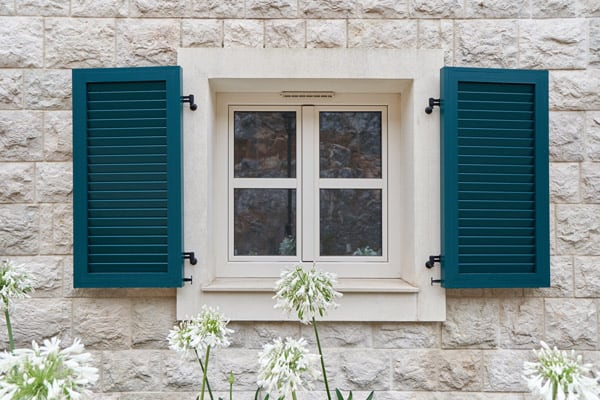
The History of Window Shutters
The history of window shutters stretches back thousands of years. Below are the key eras that shaped the feature we recognize today.
Ancient Greece: The Origins
Historians trace the earliest examples to Ancient Greece, where they became the preferred solution for letting natural light fill a home while controlling ventilation. They also helped shut out adverse weather, letting residents use them as protection during storms.
Notably, some of the oldest panels are believed to have been made of marble rather than wood. They offered the added perk of deterring thievery by giving the home extra protection. With so many advantages, the design quickly spread across Europe and became a commonplace exterior feature.
The Tudor & Elizabethan Eras: Glass Arrives
Glass became the popular material choice for windows in the mid-1500s during the Tudor and Elizabethan eras, but it remained extremely expensive at the time. Because of the cost, many homes used glass in the upper portion of the window opening and a solid wood panel on the lower half.
Residents could enjoy the view through the glass on top while controlling the breeze below. Glass grew more affordable about two centuries later; it wasn't until the 1700s that it was used frequently across both the top and bottom of the window.
The Industrial Revolution: Reinvention
The Industrial Revolution brought many notable advancements, and on a smaller scale, this feature improved too. As woodworking mills became mechanized, production followed suit.
Louvered designs grew popular because their thin slats could now be adjusted. This minor yet meaningful improvement let residents fine-tune light control, deflect adverse weather, and help prevent insect infestations.
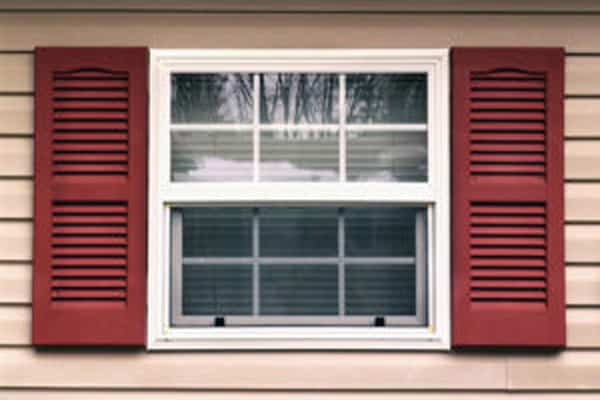
Types of Shutter to Consider
Knowing the main types of shutter makes it easier to choose the right fit for your home. A few of the most common options include:
- Vinyl shutters — a durable, affordable choice that holds up well outdoors. Vinyl shutters are easy to clean and resist cracking, rotting, and warping, which makes them low-maintenance compared to wood.
- Wood — the traditional, classic look, though it requires more upkeep to stay in good shape.
- Plantation shutters — typically interior window coverings with wide, adjustable louvers that deliver excellent light control and a clean, timeless appearance.
- Composite — engineered for moisture-prone rooms while mimicking the warmth of real wood.
Interior options like plantation shutters function as full window coverings, while exterior vinyl shutters lean toward curb appeal and weather protection. Matching the type to its purpose is the key to a smart choice.
The Purpose of Modern Shutters
What are window shutters used for today? The purpose of window shutters has shifted dramatically. Most exterior panels you see now are non-functional—they exist for looks only.
They're typically fixed in place against the siding and can't be opened or closed. The feature has been around so long that we can't seem to live without it, even though it no longer serves the original purpose of shutting out rain, wind, bugs, and thieves.
Protection and Weather
You can still have working panels installed on the outside of your house, though operable models require extra cost and labor. Homeowners may opt for them in climates that see particularly nasty weather like hurricanes or tornadoes.
Here the purpose of shutters remains practical: window shutters are used for adding a bit of extra protection against high winds and heavy rain, which is why homeowners in coastal areas are happy to use them.
Energy Efficiency
Modern working models can also help with heating and cooling costs. Although newly manufactured windows are designed to be energy efficient, adding this feature can amplify their effect on your utility bills.
Residents in climates with powerful winds, extreme heat in the South, or the Midwest's freezing winters can all benefit. Any additional barrier against the outside elements helps the house retain heat or air conditioning.
Upkeep and Maintenance
Operable models require some upkeep throughout their lifetime. For exterior panels to function properly and last as long as they're designed to, check them periodically for warped wood, worn hinges, and other damage. Low-maintenance materials like vinyl stay easy to clean and need far less attention.
Designed to Stick Around
Most exterior panels today are there for a home's aesthetics—but now you'll no longer wonder what their original purpose once was. The design has evolved across the centuries, and we're lucky that we no longer need to rely solely on it for protection.
There's something about the look that, even in modern times, we simply can't part ways with. Non-functioning models may not serve any purpose beyond looks, but at the very least they can increase a home's resale value and curb appeal. The look draws in potential buyers, and there's no question this feature helps magnify that effect.
Consider adding exterior window shutters to your home if you're in the minority of homeowners who don't already have them.
When you choose Feldco, you can rest assured you're getting an amazing product paired with excellent service. Our window coverings are made out of a maintenance-free material that's easy to clean and will never crack, rot, or warp when faced with extreme weather conditions—a far cry from the marble and wood used in centuries past.
Over 500,000 homeowners have trusted us for their home improvement needs, so it's no surprise we're America's #1 window company. If you're looking for a complete window overhaul or just want to add some extra charm, get a free quote today.




 866-4FELDCO