


Many homeowners deal with exterior door swelling in winter, especially when temperatures drop and moisture levels rise. If your front door suddenly feels harder to open, drags against the frame, or sticks after a cold snap, you are not alone. Doors made of natural materials, especially wood, react to seasonal changes in humidity and temperature, which can cause them to swell in winter, expand, and become difficult to operate.

A sticking door is more than just an annoyance. Left untreated, swelling can lead to long-term damage like cracked paint, warped panels, and stress on the door frame or hinges. Understanding why this happens is the first step toward preventing it.
What Causes Doors to Swell or Stick in Winter
Moisture Absorption and Humidity Changes
Wood is naturally porous, which means it absorbs moisture from water in the air. During winter, high indoor humidity levels caused by heating systems, cooking, and hot showers can lead to a swollen wooden door that expands and rubs against the jamb. Outdoor moisture also plays a role, especially for homes without proper overhangs or weather protection.
Poor Ventilation and Temperature Fluctuations
When warm indoor air meets cold outdoor temperatures, condensation can form around the door and frame. Poor ventilation traps this moisture, increasing the door’s chances of expanding in winter. Temperature swings also cause wood fibers to contract and expand, creating pressure points where sticking becomes more noticeable.
Unsealed or Aged Door Surfaces
Older doors or doors with worn finish absorb moisture more easily. An unsealed or untreated wooden door can absorb a lot of moisture in wet or snowy weather. This can cause the door to swell in winter and stick more often.
How to Control Indoor Humidity
Maintain Ideal Humidity Levels (30–50%)
The most effective way to stop external wooden doors from swelling is to control indoor humidity. Keeping your home between 30 and 50 percent humidity helps prevent excessive moisture absorption that causes door swelling.
Improve Air Circulation and Ventilation
Better airflow reduces condensation and creates a more stable environment for your door. Use exhaust fans, open interior doors, and ensure vents are unobstructed to improve air movement around entryways.
Use Dehumidifiers in Damp Areas
Basements, mudrooms, and areas near entry doors often hold more moisture. Running a dehumidifier helps maintain consistent humidity levels and protects wood surfaces from absorbing excess moisture.
Seal and Protect the Door
Refinish or Reseal Wood Surfaces
A new coat of sealant, varnish, or outdoor paint helps keep moisture out of wood. This is especially important for wooden front doors. Fully sealed surfaces are far less likely to swell when exposed to humidity or winter weather.
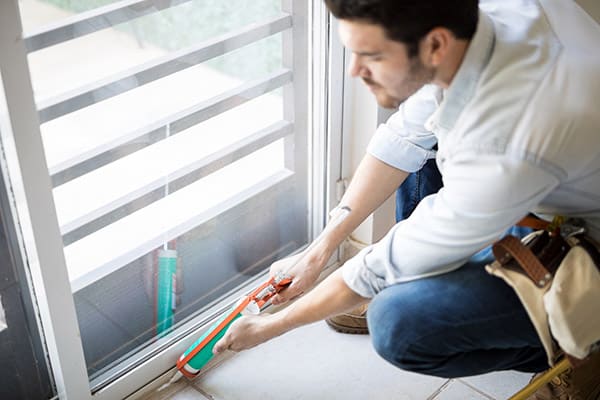
Add Weatherstripping and Door Sweeps
Weatherstripping reduces drafts and prevents moisture from being pulled into the door through gaps. Door sweeps block cold air at the bottom edge, reducing condensation and protecting the lower portion of the door.
Consider a Storm Door for Extra Protection
A storm door adds a protective barrier between your main door and the elements. This reduces direct exposure to snow, rain, and freezing temperatures, helping maintain a consistent environment around the door.
How to Fix a Sticking Door
Identify and Sand Swollen Areas
Carefully open and close the door to find where it is rubbing. Lightly sanding the swollen edges can provide immediate relief for a sticking door, but sanding should be conservative to avoid removing too much material.
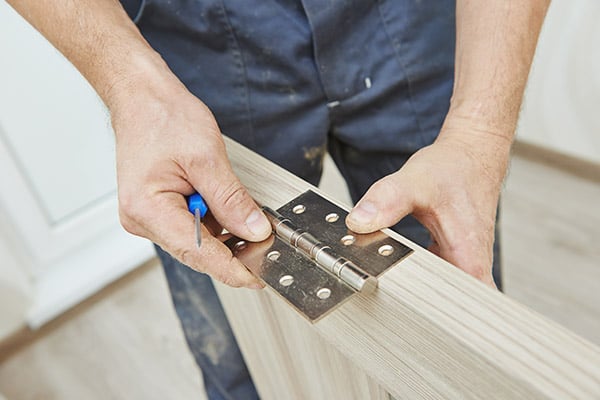
Adjust Door Hinges and Latch Alignment
Sometimes, changes in humidity cause the door frame or hinges to shift slightly. Tightening screws, adjusting hinge placement, or realigning the strike plate often solves the issue without structural changes.
Prevent Future Door Problems
Regular Maintenance and Inspection
Inspect your door every season for peeling paint, gaps in weatherstripping, hinge issues, or signs of moisture damage. Addressing problems early prevents long-term swelling and sticking.
Keep Drains Clear and Moisture Away
Ensure gutters, downspouts, and exterior drainage systems direct water away from entryways. Standing water or dripping gutters contribute to swelling and absorption.
Use Moisture-Resistant Door Finishes
High-quality finishes create a durable barrier against moisture. Using exterior-grade, water-resistant coatings reduces the likelihood of swelling during humid or freezing months.
Conclusion
Winter weather can take a toll on your entry doors, especially wooden ones. By understanding the causes behind door swelling and sticking, maintaining proper indoor humidity, and taking preventative steps like sealing and ventilation, you can protect your doors year-round. With the right care, your door will operate smoothly no matter how harsh the season becomes.
If you decide a full front door replacement is what's best, reach out for a free quote from Feldco, proudly serving homeowners across the Midwest.




 866-4FELDCO